The environment of Taranga Hills Flora and fauna you must see
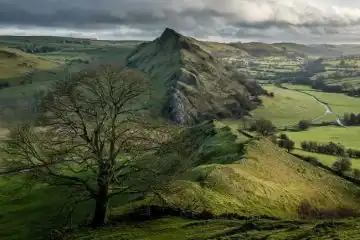
Taranga Hills, located in Gujarat, India, is a hidden gem teeming with rich biodiversity. Exploring the environment of Taranga Hills will be an unforgettable experience. This lesser-explored region offers a perfect blend of lush greenery, unique wildlife, and historical significance. You may be a nature enthusiast, an adventure seeker, or a wildlife lover, this region is perfect for you. Its diverse landscapes, range further from rocky cliffs to dense forests. In short, Taranga Hills provides a perfect ecosystem for various species to thrive. Whether you're looking for a serene escape or an adventurous wildlife encounter, this destination has something for everyone. In this blog post, we'll take a closer look at the fascinating flora and fauna. That make Taranga Hills truly special.
A Breathtaking Landscape
The environment of Taranga Hills is characterized by rugged terrains, dense forests, and scenic valleys. They stand out with their pristine surroundings and panoramic views. The combination of rocky cliffs and green patches provides a perfect habitat for diverse plant and animal species. There is a guide about the must explore charms of Saputara Hill Station for tourists. It's is also home to numerous natural springs, which contribute to the thriving flora and fauna. The scenic beauty of Taranga Hills is best experienced through treks and nature walks. That meanwhile allow visitors to immerse themselves in its serene atmosphere. The sight of rolling hills covered in greenery get interspersed with ancient rock formations perfect for photography. These hills also hold religious significance, by housing the revered Taranga Jain Temple. That further adds a cultural dimension to their natural beauty.
The Rich Flora of Taranga Hills
Above all, the forests of Taranga Hills are home to an impressive variety of plant species. The dry deciduous forests dominating this region include a mix of tropical and subtropical vegetation. It firstly creates a habitat that sustains numerous life forms. The teak trees here provide essential shelter for wildlife. While neem trees are scattered across the landscape, their medicinal properties benefiting both humans and animals. The monsoon season transforms the hills into a vibrant expanse, as wildflowers bloom in full splendorc. That meanwhile cover the slopes in brilliant hues of red, yellow, and purple. The sacred fig trees, often associated with temples, provide food and shelter for birds and monkeys. While bamboo groves thrive in patches, offering refuge to smaller creatures. Creepers and climbers spread along rocky surfaces. That add to the dense greenery, and create an enchanting atmosphere.
Wildlife in Taranga Hills: Mammals to Spot
Taranga Hills is a haven for wildlife, supporting a variety of mammal species. The elusive Indian leopard, roams the deeper forested areas, meanwhile hunting for prey. After that, watch the sloth bear, known for its shaggy fur and nocturnal habits. It's commonly spotted searching for berries and termites among the rocky outcrops. However, the striped hyena plays a crucial role in the ecosystem by feeding on carrion. It further keeps the environment of Taranga Hills clean. Jungle cats help maintain the balance by controlling rodent populations. Indian civets, with their nocturnal nature, are often seen near water bodies, their musky scent marking their presence. Among the herbivores, the sambar deer is the most majestic. However, it can be frequently seen grazing in open forested areas. While langurs and rhesus macaques can be seen leaping through the tree canopies.
Avian Wonders: Birds of Taranga Hills
For birdwatchers, Taranga Hills is a paradise with its rich avian diversity. The Indian peafowl is India's national bird. It firstly adds a royal charm to the environment of Taranga Hills. Its iridescent feathers gleam under the sunlight. Raptors for example the crested serpent eagle soar overhead. Their keen eyes scan the forest floor for prey. The paradise flycatcher, one of the most striking birds in the region, can be seen darting through the trees. Its' long white tail trailing behind. Kingfishers perch near water sources, waiting to catch unsuspecting fish. While hornbills help maintain the forest's health by dispersing seeds from the fruits they consume. The green bee-eater, a vibrant little bird, flits through the air, expertly catching insects mid-flight. While the greater coucal's deep calls resonate through the thickets, adding to the mystique of the hills.
The Amphibians and Reptiles of Taranga Hills
Above all, the environment of Taranga Hills is home to a fascinating variety of amphibians and reptiles. The Indian rock python is a non-venomous giant. That can be seen basking on sunlit rocks, its massive body coiled in stillness. Monitor lizards, excellent climbers and swimmers, are frequently spotted navigating the terrain. Frogs and toads flourish during the monsoon. Their rhythmic croaks creating a symphony in the forests at night. Russell's viper, a highly venomous snake, is one of the more dangerous yet intriguing species found here. The Indian chameleon, with its remarkable ability to change color, is often seen blending into its surroundings as it slowly moves through the undergrowth. However, these creatures play a vital role in the ecosystem. They further help you to maintain the balance between prey and predator populations.
Seasonal Changes and Their Impact on Biodiversity
The environment of Taranga Hills undergoes striking changes with the seasons, each bringing its unique charm. Summers are dry and arid, with sparse vegetation, making it easier to spot animals gathering near water sources. The monsoon rains breathe life into the hills. It transforms them into lush green expanses, with waterfalls cascading down rocky cliffs. This season also sees an increase in insect activity, leading to the arrival of migratory birds. Winters bring a pleasant chill to the air, making trekking and wildlife spotting more enjoyable. During winter, the reduced foliage also makes it easier to observe the hidden wildlife. The seasonal cycles influence the breeding and migration patterns of various species, making Taranga Hills a dynamic environment that offers new experiences throughout the year.
The Role of the Ecosystem in Conservation
The fragile ecosystem of Taranga Hills plays an essential role in preserving biodiversity. This forest cover helps to regulate the climate, prevents soil erosion, and acts as a natural water reservoir. The region is a crucial habitat for several endangered species, making conservation efforts imperative. Deforestation, illegal poaching, and habitat destruction pose threats to the biodiversity of Taranga Hills. Conservation initiatives, for example afforestation programs and protected wildlife zones, aim to safeguard its natural wealth. Involving local communities in conservation efforts ensures a sustainable approach. As they meanwhile play a direct role in protecting their environment. Raising awareness about the ecological importance of Taranga Hills is key to ensuring its long-term survival.
Responsible Tourism: Preserving Taranga Hills
Tourists can contribute significantly to the preservation of the environment of Taranga Hills by practicing responsible tourism. Avoiding littering and disposing of waste properly helps maintain the pristine beauty of the hills. Refraining from feeding or disturbing wildlife ensures that animals retain their natural behaviors. Supporting eco-friendly accommodations and local businesses promotes sustainable tourism. Using biodegradable products and minimizing plastic use further reduces environmental impact. Engaging in educational programs about conservation fosters a deeper appreciation for nature, encouraging visitors to become advocates for preserving the biodiversity of Taranga Hills.
Conclusion
The environment of Taranga Hills is a treasure trove of biodiversity. It firstly offers a glimpse into the wonders of nature. That takes you from its rich flora and diverse wildlife to its breathtaking landscapes and cultural significance. In short, this hidden gem in Gujarat is a must-visit destination. The changing seasons bring new experiences, ensuring that every visit is unique. However, the responsibility of preserving this natural paradise lies in the hands of both locals and visitors. By respecting and protecting its fragile ecosystem, we can ensure that the beauty of Taranga Hills remains intact for generations to come. Plan your visit today and explore one of India's most enchanting and ecologically significant landscapes.