The cultural heritage of Mechuka Engage with local communities
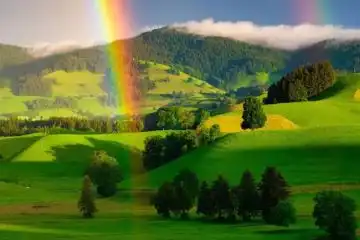
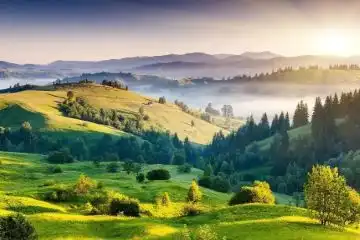
Nestled in the pristine hills of Arunachal Pradesh, Mechuka is a hidden gem. The cultural heritage of Mechuka offers visitors a unique glimpse into its rich culture and traditions. Mechuka is firstly known for its breathtaking landscapes and vibrant traditions. It is a place where ancient customs blend harmoniously with the natural beauty of the land. This travel guide will further explore how you can engage with local communities while discovering the heritage of Mechuka. From traditional festivals to age-old crafts, Mechuka offers an immersive experience. That meanwhile connects visitors with the heart of Arunachal Pradesh.
Now a days more and more travelers seek authentic experiences that connect them with local communities. In such case, Mechuka stands out as a perfect example of a destination. That meanwhile allows you to dive deep into the traditions and heritage of its indigenous people. You may be drawn to the scenic views, the spiritual ambiance, or the fascinating cultural customs. Plan to enjoy some memorable experiences in Pasighat with our other guide. Mechuka further promises to leave you with memories that last a lifetime. In this guide, we will walk you through the various aspects of Mechuka's cultural heritage. It will tell how you can meanwhile engage with its communities to make your visit truly unforgettable.
1. A Rich Tapestry of Indigenous Tribes
The cultural heritage of Mechuka is deeply intertwined with the indigenous tribes that call this region home. Further, the Memba, Ramo, and other local tribes have lived here for centuries. Each comes with their unique traditions, languages, and customs. These communities continue to preserve their age-old practices. That further make Mechuka a living testament to the resilience and strength of its people.
Visitors can engage with local tribes through homestays. There, they can firstly experience traditional ways of life. That further include local cuisines, clothing, and rituals. These authentic experiences allow travelers to immerse themselves fully in the culture of the region. Listen to the stories shared by elders during communal gatherings. They often carry insights into the customs, beliefs, and practices that have been passed down for generations.
The local people take great pride in their traditions. Many of them are eager to share their heritage with visitors. Participate in daily activities for example traditional farming, weaving, and preparing meals. It further offers an immersive way to understand the culture and livelihood of the tribes in Mechuka.
2. The Influence of Tibetan Buddhism
Tibetan Buddhism further plays a significant role in shaping the cultural heritage of Mechuka. The presence of several monasteries in the area highlights the deep spiritual connection the locals share with Buddhism. Visit the Samten Yongcha Monastery, perched high on a hill. It is one of the most iconic landmarks in Mechuka. Here, visitors can witness traditional Buddhist practices and engage in prayer sessions. Above all, they can explore the beautifully preserved artifacts.
Tibetan influences can be seen in the local art, architecture, and festivals. Participate in the celebrations of Buddha Jayanti or witness the local monks' rituals. That further offers a rare opportunity to understand the integration of spirituality into the daily lives of the people. Witness the intricate wall paintings, sculptures, and prayer flags that adorn the monasteries. They meanwhile tell stories of the region's Buddhist history. Exploring these sacred spaces offers a meditative escape into the heart of Mechuka's cultural identity.
The spiritual atmosphere in these monasteries is serene and calming. It provides travelers with a chance to reflect on the history of the region and its spiritual legacy. Many monasteries in the area also host meditation retreats and spiritual workshops. That further allows visitors to delve deeper into Tibetan Buddhist philosophy and practices.
3. Traditional Festivals of Mechuka
The festivals of Mechuka are a vibrant celebration of its cultural heritage. Among the most important is the Losar (Tibetan New Year). It is marked by elaborate ceremonies, traditional dances, and colorful processions. The Memba people also celebrate their harvest festival, Tungri, with great enthusiasm. It further highlights the importance of agriculture in their way of life.
By attending these festivals, visitors can engage with the locals. They can participate in traditional dances, and enjoy authentic performances. These events not only showcase the cultural heritage of Mechuka but also provide a glimpse into the community's close-knit social structure. During these festivals, the locals come together to share food, music, and dance. It creates a lively and welcoming atmosphere for anyone interested in learning about the region's cultural practices.
Festivals in Mechuka are often accompanied by traditional rituals, prayers, and offerings to the spirits. They let you know about cultural anthropology or simply explore the spiritual traditions of the area. These festivals further offer an unforgettable opportunity. As they meanwhile allow you to engage with the local community on a deeper level.
4. Craftsmanship and Traditional Art
However, the cultural heritage of Mechuka is also preserved through its vibrant craft traditions. Local artisans continue to create intricate handmade items, from woolen shawls to beautifully carved wooden artifacts. However, one of the most fascinating aspects of Mechuka's craftsmanship is its weaving tradition. That is passed down through generations.
Visitors can engage with local artisans and learn about the weaving process. They can even purchase these handmade goods as souvenirs. This is a wonderful way to support the local economy while gaining insight into the artistic skills. Above all, they have been perfected over centuries. The region's handicrafts are not only visually stunning but are also imbued with symbolic meanings. That are related to the community's beliefs and values.
Local artisans are proud of their work and often invite visitors to their workshops. There, they can meanwhile observe the meticulous craftsmanship involved in creating these items. It may be a hand-woven shawl, a carved wooden mask, or a set of traditional jewelry. These pieces further provide a tangible connection to the cultural heritage of Mechuka.
5. Language and Storytelling
The diverse tribes of Mechuka each speak their own languages. Among them, the Memba and Ramo languages being the most widely spoken. Language is not only a medium of communication but also a vital aspect of the cultural heritage of Mechuka. Traditional storytelling is often passed down orally. It further plays an essential role in preserving the history and myths of the region.
Engaging with the locals in these communities can offer an opportunity to hear fascinating stories and legends. That have been told for generations. For those interested in linguistics or cultural preservation, Mechuka further offers a unique experience. As you can meanwhile understand how language shapes identity and history. The stories often revolve around the community's relationship with nature, their ancestors, and the spiritual world.
Visitors can participate in storytelling sessions, where they will hear captivating tales. That firstly describe the origins of the tribes, the legends of local deities, and accounts of historical events. These stories provide a window into the cultural fabric of Mechuka. That further offer insight into the way the community views the world around them.
6. The Role of Nature in Local Beliefs
Mechuka's stunning natural landscape plays a crucial role in shaping the cultural heritage of the region. Surrounded by snow-capped mountains, dense forests, and flowing rivers, nature is not only a source of livelihood. They are also a source of spiritual influence. Above all, the locals hold deep reverence for nature. Many traditional practices are centered around its protection and conservation.
Visitors can meanwhile participate in nature walks and forest treks, by engaging with local guides. They share insights into the significance of various plants, animals, and natural elements in tribal beliefs. This connection to nature further offers a profound way to experience the region's culture beyond its material aspects. Whether it is the sacred forests, revered peaks, or holy rivers, nature is viewed as a living entity. That must be respected and protected.
Local traditions dictate that certain natural areas be preserved as sacred groves or water sources. Further, visitors can learn about these practices through guided tours. These environmental beliefs not only help to preserve the ecosystem. They meanwhile offer valuable lessons in sustainability and ecological responsibility.
7. The Unique Cuisine of Mechuka
A significant part of cultural heritage of Mechuka is its distinct cuisine. Influenced by Tibetan, Nepali, and indigenous tribal traditions, the food here is hearty and flavorful. It is often made using locally sourced ingredients. Dishes for example Thukpa (noodle soup), Momos (dumplings), and Chura (fermented milk) are staples in the local diet.
Meanwhile, engage with the locals over a shared meal. It's an excellent way to experience the warmth of their hospitality and learn about their food culture. Many families offer cooking demonstrations. There, visitors can learn to prepare traditional dishes. They further understand the role food plays in community gatherings and festivals. The cuisine reflects the fusion of various cultural influences that have shaped Mechuka's culinary traditions.
Food in Mechuka is not only about taste; but it is also an important social activity. Meals are often enjoyed in large groups, with everyone sharing dishes and engaging in conversation. This communal aspect of dining allows visitors to feel like part of the community. It further offers an authentic cultural experience.
8. Mechuka's Historic Architecture
The architectural landscape of region reflects the cultural heritage of Mechuka. Traditional wooden houses, often with sloping roofs and intricate carvings, are a hallmark of the local building style. The simplicity and functionality of these structures speak volumes about the ingenuity and resourcefulness of the tribes.
A visit to these villages offers a chance to explore these unique buildings. Some homestays even feature traditional homes where visitors can experience life as it was centuries ago. Local architecture tours provide fascinating insights. It shows how the environment and cultural practices have influenced construction methods. The use of locally sourced materials and sustainable building techniques also showcases the community's deep connection to the land.
9. Local Music and Dance Traditions
Music and dance are integral components of the cultural heritage of Mechuka. Here, every festival and important event further feature vibrant performances. However, the Memba and other tribes of the region have their own distinct music and dance forms. That are used to celebrate various occasions, from harvests to spiritual ceremonies.
Engaging with local dancers and musicians during festivals or public performances offers visitors an immersive cultural experience. These dances often tell stories of the community's history, beliefs, and daily life. That firstly make them a captivating way to learn more about Mechuka's heritage. The rhythmic beats of traditional instruments such as drums and flutes add an extra layer of depth to the performances. That further enhance the experience.
10. The Spiritual Significance of Mechuka's Sacred Sites
Mechuka is home to several sacred sites that hold great spiritual significance for the local communities. One such site is the Memba village's sacred Yaksha tree. However, it is believed to be inhabited by spirits. Pilgrims and locals alike visit these sites to meanwhile offer prayers and perform rituals. They often come here for seeking blessings for health, prosperity, and success.
Visitors can learn about the spiritual practices of the region by engaging with local priests and spiritual leaders. These sacred sites meanwhile offer a profound insight into the belief systems that have shaped Mechuka's cultural identity. The peaceful atmosphere at these sites provides a tranquil setting for reflection and connection with region's spiritual heritage.
11. Sustainable Tourism and Community Engagement
As Mechuka gains popularity as a tourist destination, sustainable tourism has become a key focus. Local communities are actively involved in promoting eco-friendly practices and preserving the region's cultural heritage. By engaging in community-led tourism initiatives, visitors can contribute to the preservation of Mechuka's traditions. Meanwhile, they also benefit the local economy.
One of the best ways to engage with the community is by participating in eco-tourism activities. Few are for example nature conservation projects, trekking expeditions, and local handicraft markets. These activities offer a unique opportunity to support the preservation of Mechuka's cultural and natural wealth. Responsible tourism ensures that future generations can continue to experience the beauty and heritage of Mechuka. Along with that they can meanwhile maintain its authenticity.
Conclusion: Embracing the Cultural Heritage of Mechuka
Mechuka's cultural heritage is a rich tapestry of indigenous traditions, spiritual practices, and historical landmarks. By engaging with local communities, visitors not only gain a deeper understanding of the region's past. It further contributes to its preservation for future generations. Whether it's through festivals, cuisine, or the simple act of interacting with local artisans, Mechuka offers a memorable and enriching experience. That meanwhile connects you to the heart of Arunachal Pradesh.
As you explore this fascinating region, take the time to immerse yourself in the cultural heritage of Mechuka. Meanwhile, engage with the locals, support their traditions, and create memories that will last a lifetime. Mechuka is more than just a destination-it is an invitation to explore the past. That further allows to connect with the present, and contribute to a sustainable future.