Cultural wonders discovering the rich heritage of Pelling

Nestled in the heart of Sikkim's western district, Pelling is a town where history, culture, and spirituality converge. Exploring the rich heritage of Pelling means walking through time. During which, every temple bell, prayer flag, and stone relic tells a story waiting to be heard. It offers breathtaking views of Kanchenjunga and a landscape dotted with age-old monasteries, sacred lakes, and royal ruins. Above all, it offers more than just natural beauty. This serene destination reveals a deep-rooted cultural identity shaped by centuries of religious tradition, tribal legacy, and Himalayan resilience.
Whether you are a heritage buff, spiritual traveler, or simply curious about Sikkimese culture, here's a guide. That further unfolds the cultural wonders that make Pelling a soul-stirring experience. The natural beauty of Gangtok also attracts the visitors. However, they can be a charming extension to your trip.
1. Pemayangtse Monastery - The Heart of Himalayan Spirituality
One of the most iconic attractions in Pelling is Pemayangtse Monastery. That dates back to 1705 and remains a cornerstone of Sikkimese Buddhist tradition. It belongs to the Nyingma sect-the oldest of Tibetan Buddhism. That is firstly known for its spiritual serenity and architectural brilliance. The monastery is famed for its elaborate wooden structure, Zangdok Palri. That is meanwhile crafted single-handedly over five years by a devoted monk. To get a profound understanding of the spiritual foundation underpinning the rich heritage of Pelling visit this monastery. Visitors are drawn to the monastery's vibrant frescoes and the meditative chants. That further echo through its ancient halls.
2. Rabdentse Ruins - Echoes of Sikkim's Royal Capital
A short forest walk from Pemayangtse leads to the Rabdentse Ruins. That were once the proud capital of the Kingdom of Sikkim in the 17th and 18th centuries. Overlooking the valley firstly offers commanding views of the mountains. These moss-covered stone relics and palace foundations tell tales of war, diplomacy, and royal grandeur. Information plaques guide you further through the remains of the royal palace, court, and temple complex. Meanwhile, explore the broken chortens and ancient pathways. That connect you with a royal chapter of the rich heritage of Pelling Sikkim. They had once shaped the destiny of the region.
3. Sanga Choeling Monastery - Where Time Stands Still
Sitting atop a hill with panoramic views of the Himalayas, Sanga Choeling Monastery is one of the oldest in Sikkim, established in 1697. Accessible by a scenic forest hike, the monastery remains relatively untouched by commercial tourism. It houses ancient clay statues, sacred texts, and age-old Buddhist rituals preserved for centuries. However, only monks are allowed to perform rituals inside, maintaining the sanctity of the space. The peaceful ambiance and spiritual vibrations here resonate with the timeless traditions. That further define Pelling's spiritual heritage.
4. Khecheopalri Lake - The Sacred Wishing Lake
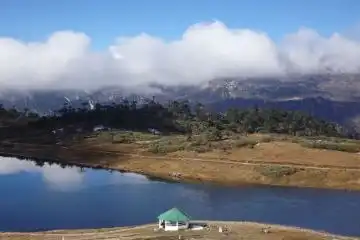
Revered as a divine lake by both Buddhists and Hindus, Khecheopalri Lake. This lake is said to fulfill the wishes of those who pray with a pure heart. Above all, it is surrounded by dense forests, prayer wheels, and fluttering flags. However, the lake is part of a sacred landscape tied deeply to myth and legend. Local folklore claims that not even a single leaf is allowed to float on the surface-birds swiftly remove them to keep the water pristine. This sacred body of water is central to the spiritual and ecological heritage of Pelling region. That meanwhile offer moments of reflection and peace.
5. Lepcha Tribe and Cultural Storytelling
The Lepchas are Pelling's original inhabitants. They possess a rich oral tradition filled with tales of creation, nature spirits, and ancient rituals. However, their culture is deeply intertwined with the environment. It is evident in their sustainable practices and spiritual respect for nature. Their language, Rong, is one of the oldest in the region. Above all, cultural centers and local homes occasionally host storytelling sessions and workshops. There, visitors can meanwhile learn about their songs, dances, and spiritual beliefs. This exposure adds a human dimension to the rich heritage of Pelling highlighting the importance of indigenous communities in preserving heritage.
6. Losar and Other Vibrant Festivals
Among the most awaited events in Pelling is Losar, the Tibetan New Year. It marks a time of joy, spiritual renewal, and colorful festivities. Masked dances called Cham are performed in monasteries to drive away evil spirits. Saga Dawa, celebrating Lord Buddha's enlightenment, and Bumchu Festival at Tashiding Monastery are some of the major celebrations. They are firstly filled with rituals and community gatherings. These festivals offer a vivid window into the living cultural traditions of Pelling. That further blend devotion, dance, and storytelling in a celebration of life and faith.
7. Tashiding Monastery - Sacred Symbol of Purity
A short drive from Pelling brings you to Tashiding Monastery. It is perched on a hilltop at the confluence of two rivers. This monastery, believed to purify sins with a single visit, is a spiritual nucleus for the devout. The annual Bumchu Festival further involves the ritual opening of a sacred vase filled with holy water. That is meanwhile believed to predict the year's fortune. The energy during the festival is electric, with pilgrims, monks, and tourists gathering in reverence. Tashiding is essential to grasping the deep religious heritage embedded in Pelling's cultural identity.
8. Thangka Art, Wooden Carvings, and Local Crafts
Pelling's monasteries and markets are a treasure trove of Sikkimese artistry. That range further from vibrant Thangka paintings depicting Buddhist deities to elaborately carved wooden altarpieces. Artisans also create prayer wheels, masks, and ritual items-often handmade with traditional tools and infused with symbolism. You can witness live demonstrations in local workshops or purchase unique crafts as ethical souvenirs. These creative expressions are more than decor-they're a celebration of devotion, skill, and the enduring artistic legacy of Pelling.
9. Village Life - Cultural Immersion Through Homestays
For a deeper connection with local life, spending time in villages like Darap or Chumbung offers cultural immersion. Many families run eco-friendly homestays. There, guests can meanwhile participate in farming, cooking, or even attending community ceremonies. Try millet wine, wear traditional attire, and learn the rhythms of rural life. However, such experiences provide authentic insight into the daily practices. That sustain rich heritage of Pelling-often far removed from the tourist track.
10. Spiritual Trails and Hidden Pilgrimage Paths
Pelling is interwoven with pilgrimage routes leading to ancient monasteries, meditation caves, and sacred rocks. Take trails to Dubdi Monastery, established in 1701, or walks around the Sanghak Choeling Ridge. That further offer more than just scenic beauty-they are steeped in centuries of spiritual energy. Walking these ancient routes, often dotted with prayer stones and stupas, provides a meditative experience. That meanwhile deepens your engagement with the sacred landscape that forms Pelling's spiritual backbone.
11. Cultural Museums and Interpretation Centers
While not overly commercialized, Pelling and nearby Yuksom host small yet informative cultural centers and museums. These institutions firstly showcase Sikkim's dynastic history, religious texts, tribal tools, and architectural models. Interactive exhibits, photographic archives, and guided tours meanwhile provide educational context to what you see in the field. They help bridge the gap between tourist observations and meaningful understanding of the rich heritage of Pelling.
12. Sikkimese Cuisine - Culinary Stories on Every Plate
Food in Pelling is a flavorful blend of Buddhist simplicity and Himalayan diversity. Try steaming momos with local cheese, warming bowls of thukpa, and phagshapa-a tangy pork dish with radish. Vegetarian delights for example gundruk and sael roti are popular among locals. Ingredients like nettle leaves, fermented bamboo shoots, and millet flour tell stories of seasonal eating and self-sustaining communities. Dining here isn't just about nourishment-it's a delicious dive into the gastronomic heritage of Pelling.
Final Thoughts: Why Pelling is a Heritage Treasure
Pelling is where myths, traditions, and nature converge in harmony. Its ancient monasteries hum with chants, its sacred lakes remain still in reverence, and its people preserve traditions. That have shaped the region for centuries. You can explore its architectural relics, engage with tribal lore, or walk its forested paths. With that, you are stepping into a realm where every element contributes to the rich heritage of Pelling. For those who seek stories that go beyond sightseeing, Pelling offers a journey into the soul of Himalayan culture.