Almora in every season Get to know about the best time to visit
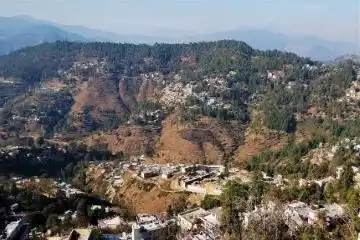
Nestled in the Kumaon region of Uttarakhand, Almora is a serene hill station. Exploring Almora in every season uncovers distinct experiences shaped by nature's rhythms and local traditions. Almora is renowned for its panoramic views of the Himalayas, rich cultural heritage, and delightful climate. Whether you seek spiritual solace, adventure, or just a break from city life, Almora offers something special year-round. This comprehensive guide delves into the best time to visit Almora and what to expect throughout the year - from blossoming springs to snow-covered winters.
1. Exploring Almora in Spring: Nature's Awakening and Festivals
Spring, spanning March to May, is an enchanting season in Almora. As winter fades, the town and surrounding hills burst into vibrant life. Rhododendrons, primulas, and wildflowers blanket the landscape, painting a picture-perfect backdrop. The temperature ranges from a comfortable 15°C to 25°C during the day, making outdoor activities enjoyable. The summer season of Mussoorie brings lush vistas and serene landscapes. Spring is also a time when local festivals like Basant Panchami celebrate the arrival of new life and color. Visitors can enjoy pleasant hikes, birdwatching, and wandering through local markets filled with fresh produce and handicrafts.
2. Summer in Almora: A Cool Himalayan Refuge
During summer, from June to August, Almora becomes a popular retreat from the scorching heat of the Indian plains. Temperatures here rarely exceed 30°C, often hovering in the low 20s, offering a refreshing climate. The lush greenery reaches its peak, and the pine forests give off a distinct, calming fragrance. Summer mornings are cool and misty, perfect for early treks to scenic places. Few are like the famous Kasar Devi Temple or the Zero Point for sunrise views. The occasional monsoon showers during this season add freshness but can lead to wet trails and some travel disruptions, so packing rain gear is wise.
3. Monsoon Magic: Embracing the Rains and Verdant Valleys
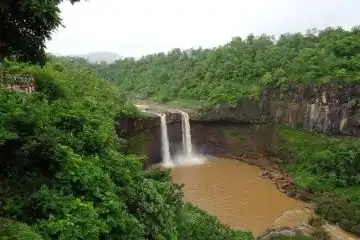
No doubt, exploring Almora in every season looks beautiful. But, the monsoon season, lasting from July to September, brings life to Almora's forests and fields. The hills turn a deep, rich green, waterfalls cascade vigorously, and the air smells of damp earth and pine. This season is ideal for those who appreciate a tranquil, rain-soaked landscape far from tourist crowds. The fog that often shrouds the mountains adds a mystical feel to your exploration. However, it's important to be cautious of landslides and slippery roads during heavy rain spells. Local homestays often offer cozy warmth and traditional Kumaoni hospitality, making monsoon visits a culturally rich experience.
4. Autumn Vibes: Crisp Air and Clear Himalayan Views
From October to November, autumn unveils some of the most breathtaking vistas in Almora. After the monsoon's cleansing rains, the skies are clear, revealing the towering peaks of the Himalayas in sharp detail. Daytime temperatures range from 10°C to 22°C, and nights grow cooler. This season is perfect for photographers and nature lovers who want to capture the stunning interplay of light and landscape. The harvest season also brings traditional fairs and markets where locals sell fresh apples, walnuts, and artisanal goods. Crisp air and less crowded trails make autumn a favorite for cultural and nature exploration.
5. Winter Wonders: Snow-Capped Serenity and Cozy Retreats
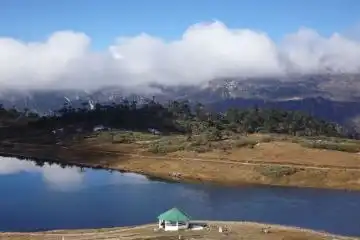
Winter in Almora, from December to February, can be cold, with temperatures often dropping below 5°C. Snowfall, while not heavy every year, blankets the higher reaches and gives the town a peaceful, whitewashed charm. Winters attract tourists who enjoy quiet solitude and the beauty of frosted landscapes. Fireside chai (tea) and Kumaoni cuisine provide warmth after a day of sightseeing or light snow trekking. Road access remains fairly good, but visitors should be prepared for chilly conditions and possible early sunsets. Winter is also the best season to experience the calm and spiritual side of Almora without the buzz of crowds.
6. Cultural Festivals and Almora in Every Season
One of Almora's strongest draws is its rich cultural tapestry, visible throughout the year. Seasonal festivals add layers of meaning to your visit for example, the Nanda Devi Raj Jat Yatra. It held every 12 years but celebrated with various local rituals more frequently. This festival involves vibrant processions and religious fervor in summer. In winter, the community gathers for folk music and dance festivals, celebrating Kumaoni heritage. These cultural events provide insight into the traditions that have shaped Almora and allow visitors to participate in unique local experiences, making any season a memorable one.
7. Wildlife and Nature Watching Across Seasons
Almora's biodiversity flourishes all year, offering opportunities to spot Himalayan wildlife. Spring and autumn are particularly good for birdwatching. As migratory species like the Himalayan Monal and Satyr Tragopan are more visible. The surrounding forests are home to barking deer, langurs, and a variety of butterflies and insects that come alive in warmer months. During winter, animal activity slows, but the peaceful snow-covered landscape provides a different kind of natural beauty. Guided nature walks and eco-tours are recommended to fully appreciate Almora's ecological wealth.
8. Trekking and Outdoor Adventures: Seasonal Recommendations
Adventurers planning treks around Almora should time their visits carefully. Spring and autumn offer the safest and most comfortable conditions for trekking, with clear trails and moderate temperatures. Popular routes include treks to the Tiffin Top viewpoint and the Jageshwar temple complex. Summer monsoon treks are possible but come with risks such as slippery paths and landslides. Winter trekking is for experienced hikers prepared for cold and snow. Besides trekking, visitors can enjoy paragliding and camping, activities best suited to the milder spring and autumn months.
9. Accommodation and Travel Tips for Each Season
Almora in every season offers a variety of accommodations, from cozy homestays to luxury resorts. Peak seasons like spring and autumn require early bookings due to high tourist demand. Prices can surge during festivals or long weekends. During monsoon and winter, many hotels offer discounts, but some remote lodges may close due to weather. Travelers should also consider transportation options; roads can be challenging during rains or snowfall. Carrying layered clothing, comfortable walking shoes, and a reliable map or guidebook enhances the travel experience in every season.
10. Local Cuisine and Seasonal Delights: Taste Almora Year-Round
No visit to Almora in every season is complete without sampling its local cuisine, which changes subtly with the seasons. In colder months, warming dishes like Bhatt ki Churkani (black soybean curry) and roasted maize are popular. Spring and autumn bring fresh fruits and vegetables to the table, including apricots, apples, and green leafy vegetables that enhance the local menus. Street vendors serve piping hot aloo ke gutke (spicy potatoes), perfect after a day of sightseeing. Seasonal festivals often feature special delicacies that showcase the region's culinary heritage.
11. Photographic Opportunities in Almora Throughout the Year
Photographers visiting Almora will be rewarded with a wide palette of colors and moods across seasons. Spring offers vibrant flora and birdlife; summer highlights lush, fragrant forests; monsoon cloaks the town in mist and rain-soaked greenery. Autumn reveals crystal-clear Himalayan panoramas; and winter blankets everything in pristine snow. The golden hours in autumn and spring are particularly magical for landscape photography. Capturing local festivals and everyday life in Almora also adds depth and storytelling to any photo collection.
12. Choosing the Best Time to Visit Almora: Personalized Tips
Ultimately, the best time to visit Almora in every season depends on your travel priorities. If you want pleasant weather and clear mountain views, plan for autumn or spring. For fewer crowds and lush greenery, monsoon may appeal, but comes with travel challenges. If you love snow and a quiet retreat, winter is ideal. Cultural enthusiasts might target festival times to experience local traditions. Whatever your choice, understanding Almora in every season ensures you make the most of this Himalayan treasure, with a trip tailored to your desires and comfort.
Conclusion
Almora's beauty is ever-changing, shaped by its seasons and culture. Each time of year offers unique experiences - from the awakening of spring to the stillness of winter. Whether it's trekking in pleasant weather, soaking in festivals, or simply enjoying nature's calm, Almora welcomes visitors year-round. By exploring Almora in every season, you can choose the perfect time to visit that fits your travel style and interests. Pack smart, plan ahead, and immerse yourself in the timeless charm of this Himalayan hill station.