Experience wildlife in Kaziranga Spotting unique Flora and fauna
Nestled in the floodplains of the Brahmaputra River in Assam, Kaziranga National Park is more than just a safari destination-it's a vibrant ecosystem teeming with life. Experiencing wildlife in Kaziranga is a journey into one of India's most bio-rich sanctuaries. This park is declared a UNESCO World Heritage Site. Kaziranga is mainly famous for its successful conservation of the Indian one-horned rhinoceros. But, the wildlife diversity of this park runs far deeper. That goes further from elusive jungle cats and swamp deer to vivid orchids and tall elephant grass. Above all, every inch of this wilderness offers a rare and rewarding encounter. Whether you are a seasoned naturalist or a curious traveler, this park caters all.
The Majestic One-Horned Rhinoceros
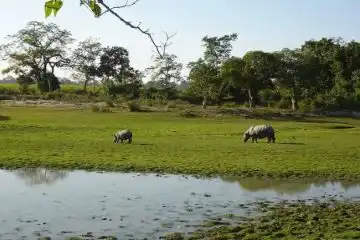
No visit to Kaziranga is complete without seeing the Indian one-horned rhinoceros. With over 2600 individuals, the park holds the largest population of this endangered species in the world. These gentle giants roam the grasslands and marshes, especially near water bodies. Explore the nature places and trails in Jorhat with our best travel tips. Early morning or late afternoon jeep safaris further offer the best chances to observe them grazing peacefully in their natural habitat. However, watching a rhino silhouetted against the misty horizon is a memory you won't soon forget.
Big Cats on the Prowl
Though sightings are rare due to their stealth, tigers and leopards are top predators in Kaziranga. Above all, the park is a declared Tiger Reserve, and the increasing numbers reflect successful conservation. Look for pugmarks along muddy trails or listen for alarm calls of deer and langurs-nature's own alert system. If you are lucky, you might spot a Royal Bengal Tiger stalking through tall grasses. That further blend seamlessly into the golden-green camouflage of its terrain.
Elephant Encounters in the Wild
Asian elephants, both wild and used for patrolling by forest staff, are a common sight in Kaziranga. Herds of elephants-sometimes with calves-can be seen near the Bagori and Kohora ranges. Watch them bathing, feeding, or crossing open stretches of land. Their majestic presence, gets paired with the calm of the surrounding forest. That further makes for an experience of wildlife in Kaziranga that is truly humbling. Respectful observation is key, as these gentle giants are highly intelligent and protective of their young.
Avian Paradise: Birds of Kaziranga
Kaziranga is a birdwatcher's paradise, with over 480 species of resident and migratory birds. This park's wetlands attract flocks of bar-headed geese, pelicans, herons, black-necked storks, and even endangered Bengal floricans. The unique flora and fauna in Kaziranga adds more charm to your experience. Birding walks near water bodies for example Sohola Beel are ideal for spotting colorful feathered life. Bring your binoculars and patience to experience the wildlife in Kaziranga perfectly. During that, you'll be rewarded with vibrant wings cutting across Assam's golden skies.
Reptiles and Amphibians: The Park's Silent Dwellers
Beyond mammals and birds, Kaziranga is home to a variety of reptiles and amphibians. Keep an eye out for Indian rock pythons, monitor lizards, king cobras, and assorted frog species. That further thrive in the moist environment. These creatures often go unnoticed but are crucial components of the ecosystem. Nighttime croaks and rustles in the grass often signal a hidden world stirring under the moonlight.
Rare and Endangered Species
Kaziranga's landscape is not only about numbers but also about rarity. The park provides sanctuary to critically endangered species for example the hog deer, wild water buffalo, and Ganges river dolphin (in nearby waters). These creatures are deeply woven into Kaziranga's conservation narrative. That reminds us why preserving this land is so important. Spotting any of these species is a treat while exploring wildlife in Kaziranga. That is best experienced with a naturalist guide who understands their habits and movements.
Unique Flora: Beyond the Tall Grass
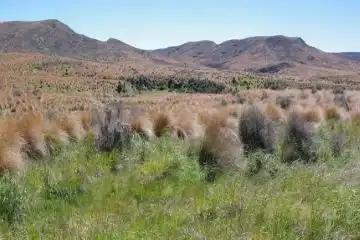
While wildlife in Kaziranga often steals the spotlight, Kaziranga's botanical richness is equally striking. The park's landscape features a mix of savanna grasslands, tropical moist forests, and swamp vegetation. Tall elephant grass, water lilies, and wild sugarcane dominate the scenery. During spring, flowering plants like orchids, mimosa, and foxgloves bloom, creating colorful bursts amid the green. These natural elements further form a perfect backdrop for the wildlife they support.
Safari Options: Jeep, Boat, and Elephant
Kaziranga offers several ways to experience its wild offerings. Jeep safaris, available in all four tourism zones-Kohora, Bagori, Agaratoli, and Burapahar-are the most popular and accessible. For a more intimate view of the grasslands and rhinos, elephant safaris firstly provide early morning excursions. Meanwhile, boat rides along the Brahmaputra near Agaratoli give a chance to spot water birds and aquatic life. Above all, each safari mode offers a distinct perspective of wildlife in Kaziranga.
Best Time to Visit for Wildlife Spotting
The ideal season to visit Kaziranga for wildlife viewing is between November and April. During that, the weather is dry and animals are more visible. Monsoon months (May to October) bring heavy rainfall, and the park remains closed. March and April are particularly good for rhino sightings, while December and January see a high influx of migratory birds. Always plan your trip around safari availability and weather conditions for the best experience.
Responsible Tourism and Conservation Efforts
Kaziranga is a conservation success story, but it depends on responsible tourism. Visitors are encouraged to follow guidelines-stay quiet during safaris, avoid littering, and respect animal space. The park also works closely with local communities for anti-poaching patrols and habitat management. By supporting eco-friendly lodges and certified guides, travelers can contribute to the ongoing protection of this precious ecosystem.
Cultural and Community Experiences
Beyond wildlife, Kaziranga offers a glimpse into Assamese tribal culture. Explore the villages on the park's fringes for example Hatikhuli and Panbari. It meanwhile allow you to witness traditional weaving, enjoy local cuisine, and understand how communities coexist with wildlife. These interactions add depth to your visit, making it more than just a safari. It becomes a cultural exchange rooted in mutual respect for nature.
Summary: A Wild Retreat for the Senses
Kaziranga National Park is a haven for anyone seeking to connect with India's wild heart. Whether it's the thunderous charge of a rhino, the silent flight of a stork, or the sway of orchids in the wind, every moment here feels deeply alive. Experiencing wildlife in Kaziranga is not just about ticking off species on a list. It's also about being present in a world that thrives on balance, beauty, and biodiversity. Therefore, come for the rhinos, stay for the stories the forest whispers.