FAQs about traveling to Kinnaur What every traveler should know
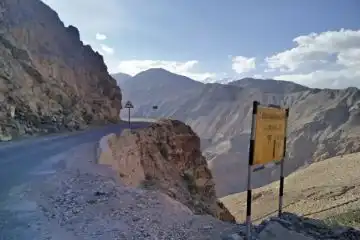
Tucked away in the northeastern Himachal Pradesh, Kinnaur is a destination that feels almost untouched by time. The appeal of traveling to Kinnaur lies not just in its natural beauty but also in serene atmosphere. That lies far from the bustling crowds of popular hill stations. Its dramatic landscapes are marked by snow-capped peaks, lush valleys, and charming villages. That firstly make it a haven for travelers seeking peace and adventure. The district is nestled at the confluence of three mountain ranges-the Zanskar, Greater Himalayas, and Dhauladhar. Further, it is bordered by Tibet to the east. However, before embarking on your journey, it is important to be well-prepared. This guide will walk you through everything you need to know about Kinnaur. That meanwhile goes from permits and accessibility to the best time to visit and cultural nuances.
Understanding the Geography of Kinnaur
Kinnaur's geography is as diverse as its culture. The district is crisscrossed by deep valleys and lush forests. That stands out further with towering peaks that rise over 6000 meters. The most famous of these peaks is Kinner Kailash. It firstly holds both religious and cultural significance for locals. The region is cradled by the Sutlej, Spiti, and Baspa rivers, which add to its rugged charm. Above all, traveling to Kinnaur means experiencing the Himalayas up close. There, each turn of the road reveals yet another breathtaking view. Planning a family trip in Kotkhai is an enjoyable journey for all the menbers. The main town of Reckong Peo meanwhile serves as the administrative and commercial hub of the region. From there, visitors can access several beautiful villages like Kalpa, Chitkul, Sangla, and Nako.
How to Reach Kinnaur
While Kinnaur doesn't have an airport or railway station of its own, it remains well-connected by road. The journey typically begins from Shimla, the capital of Himachal Pradesh, which is about 235 kilometers away. From Shimla, travelers can take National Highway 5 (NH-5). That winds further through picturesque towns and villages and leads to Reckong Peo. The road is part of the larger route that also connects to Spiti Valley. It meanwhile make it a key passage for those exploring the entire region. No doubt, the wonderful journey to Kinnaur by road offers a scenic experience. But, it can be challenging at times due to narrow lanes, hairpin bends, and occasional landslides. Therefore, it's essential to check road conditions, especially during the monsoon season.
For those traveling to Kinnaur by train or air, Shimla and Chandigarh are the nearest major transport hubs. You can take a flight to Shimla Airport or a train to Kalka. After that, you can take a bus or taxi to Kinnaur. It's also worth noting that the roads can be blocked during the winter months due to snowfall. Therefore, it's better to plan accordingly.
Permits and Regulations
Unlike some other Indian border regions, Kinnaur does not require permits for visiting its popular tourist spots. That are for example Kalpa and Sangla. There are certain areas close to the Indo-Tibetan border, like Nako, Shipki La, and Khab. They require an Inner Line Permit (ILP) for non-Himachali Indian nationals as well as foreign nationals. These permits are necessary for areas that are sensitive due to their proximity to the Tibet border. They can be obtained at the District Commissioner's office in Reckong Peo or the Tourist Reception Centre in Shimla.
To obtain the permit, you'll need a valid photo ID, passport-size photographs, and details of your travel itinerary. It's always advisable to get your permit in advance, as the process can take some time. Having the correct documentation in place will ensure that your traveling to Kinnaur experience remains smooth and hassle-free.
Best Time to Visit Kinnaur
The best time for traveling to Kinnaur largely depends on the kind of experience you are seeking. Further, the months from April to June and September to November are ideal for most travelers. During these months, the weather is pleasant, and the region's natural beauty is at its peak. Spring (April to June) brings pleasant temperatures and lush greenery. While autumn (September to November) offers crisp weather with the added beauty of golden-hued landscapes. These seasons are perfect for trekking, sightseeing, and indulging in outdoor activities. That too without the worries of road closures or excessive heat.
However, the winter months (November to March) are a whole different story. If you're a fan of snow and winter sports, this could be an enchanting time to visit. During it, the landscape is covered in a thick blanket of snow. Places for example Kalpa and Chitkul become incredibly picturesque at this time. But beware-many roads, especially the ones leading to high-altitude villages, can be blocked due to snow. Meanwhile, the temperatures can drop significantly.
Monsoon season (July to August) is best avoided as it brings heavy rainfall. That further makes roads slippery and prone to landslides.
Unique Experiences in Kinnaur
Above all, traveling to Kinnaur offers a wide array of experiences, from spiritual journeys to outdoor adventures. Kalpa, for example, is a quiet town with a stunning view of Kinner Kailash. The town is home to several temples and monasteries, for example the Kinnaur Kailash Temple. There, the locals believe the divine mountain resides. Further, the area is perfect for trekking. Many trekkers use Kalpa as a base before heading further into the mountains.
Sangla Valley is another must-see. It firstly comes with its lush forests, alpine meadows, and the Baspa River cutting through the landscape. Chitkul is the last inhabited village on the Indian side of the Tibet border. It meanwhile offers breathtaking views of snow-covered peaks and traditional wooden homes.
Aside from sightseeing, Kinnaur is a great place for trekking, camping, and fishing. The surrounding rivers and lakes provide opportunities for activities for example angling. While the region's dense forests are perfect for nature walks and birdwatching.
Connectivity and Mobile Network
Kinnaur's remote location means that connectivity can be patchy. Most parts of the region, especially areas for example Kalpa and Chitkul, have limited or no mobile signal. BSNL has decent coverage in the area. But, other networks like Airtel and Jio may not work well in most villages. Internet speeds are also quite slow, so it's advisable to download maps and travel information beforehand. You might also want to inform your friends or family of potential communication blackouts. As long stretches of the journey can be devoid of network service.
Local Cuisine and Culture
Kinnaur offers a unique blend of Tibetan and Himachali cuisine. Traditional foods like Siddu, a steamed wheat flour bread filled with walnuts or potatoes, are a must-try. Thukpa (noodle soup) and Momos (steamed dumplings) are popular Tibetan snacks. The local specialty, Chha Gosht, is a rich mutton curry. That will further tantalize your taste buds with its aromatic spices. The region's apples, apricots, and peaches are also famous for their fresh and juicy flavors.
Culturally, Kinnaur is diverse. This region is primarily inhabited by Kinnauris, who follow both Hindu and Buddhist traditions. The area is firstly dotted with monasteries and temples. There, you can meanwhile experience a fusion of Tibetan Buddhism and Hindu customs. While visiting religious sites, remember to dress modestly and ask for permission before taking photos.
Health and Safety Tips
Kinnaur's high altitude and rugged terrain can pose challenges to travelers. It happens especially if you are not used to high-altitude environments. Symptoms of altitude sickness, such as dizziness, nausea, and headaches, can occur if you ascend too quickly. It's advisable to spend a day or two acclimatizing at a lower altitude for example Reckong Peo. That is a must before heading further to higher altitudes like Kalpa or Chitkul.
When traveling to remote areas, always carry basic medications, a first-aid kit, and a supply of water. In addition, roads can be treacherous, especially during the monsoon or winter seasons. So, always check weather and road conditions before your trip.
Accommodation and Budget
Accommodation in Kinnaur ranges from budget homestays to mid-range hotels and guesthouses. Many visitors traveling to Kinnaur choose to stay in homestays. There, they can enjoy local hospitality and experience the traditional lifestyle of the Kinnauri people. The cost of accommodation varies widely based on the type of stay you choose. But on average, budget accommodations range from ₹800 to ₹1500 per night. While mid-range options may further cost about ₹2000 to ₹3500. During peak tourist seasons, it's advisable to book your accommodation in advance, especially in popular towns like Kalpa and Sangla.
Final Thoughts
Kinnaur is a destination that feels like a different world altogether. There, the tranquility of the mountains and the rich cultural heritage blend seamlessly. You can seek solitude in the high-altitude villages, trek through lush valleys, or explore ancient temples and monasteries. In short, traveling to Kinnaur promises a journey that is both enriching and awe-inspiring. Just plan your trip carefully-consider the best time to visit, obtain necessary permits, and respect local customs. With that, you'll ensure a memorable and smooth adventure in this Himalayan paradise.