Experience the magic of Kodagu Coffee, culture and nature
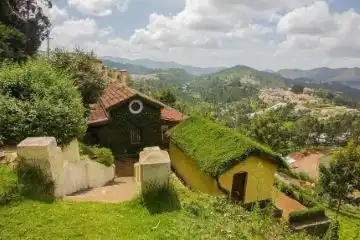
Tucked away in the misty highlands of Karnataka lies Kodagu, also affectionately known as Coorg. Whether you are a nature enthusiast, a culture explorer, or a laid-back traveler looking for tranquility, you can experience the magic of Kodagu in countless unforgettable ways. Coorg is a region where every breath of air carries the fragrance of coffee. Here, every corner echoes with the harmony of nature and tradition. Often celebrated as the "Scotland of India", this verdant region is much more than just a weekend getaway. It's a sensory-rich landscape that combines adventure, spirituality, culinary richness, and cultural heritage.
The Heartbeat of Kodagu: Coffee Plantations
Coffee is not just a crop in Kodagu-it is a way of life. Sprawling over the undulating hills and valleys, Kodagu's coffee estates form an intricate green web. That trip to Agasthyakoodam sustains the region's economy and shapes its identity. These plantations, mostly family-owned, offer a peaceful sanctuary where visitors can immerse themselves in the rhythm of rural life.
Guided estate walks, bean-picking sessions, and roasting demonstrations give a behind-the-scenes look at coffee production. Some plantations also offer coffee-blending workshops, where you can create your own signature roast. It is a serene way to experience the magic of Kodagu in a peaceful way. Exploring these estates isn't just scenic-it's interactive, educational, and deeply rooted in the essence of experiencing the magic of Kodagu.
Unveiling the Kodava Identity
Kodagu's true soul lies in the culture of the Kodavas. It's a proud and warm-hearted community known for their distinctive customs and martial traditions. The Kodavas trace their ancestry through oral history and honor their elders and land with fierce loyalty. They have unique wedding rituals, dress codes, and festivals.
The best way to experience the magic of Kodagu and understand their lifestyle is by staying in traditional homestays. Hosts often share tales of ancestry, rituals, and war stories that have been passed down through generations. You might even be invited to a family feast or local event. There, you can witness the famed Valaga music and vibrant traditional dances like Ummathat.
Coffee Tasting and Local Brew Culture
Aromatic, bold, and comforting-coffee in Kodagu is an experience meant to be savored slowly. The region is dotted with charming spots tucked within plantations, rustic homesteads, and scenic viewpoints. These places often brew coffee using age-old techniques like pour-over, cold brew, and South Indian filter.
Pair your cup with local delights like Jackfruit papads, banana fritters, or Noolputtu (rice noodles). Some hosts offer storytelling evenings. There, you can sip your brew while listening to folklore, poetry, or even live Kodava music. You may be lounging with a book or chatting with fellow travelers. These moments offer a relaxed way to experience the magic of Kodagu from a local's perspective.
Trekking Through Nature's Canvas
Adventure and serenity coexist in Kodagu's landscapes. The region boasts numerous trekking routes, each offering something unique. Tadiandamol, at 1748 meters, is the highest peak in Kodagu and a favorite among seasoned trekkers. Its trail winds through shola forests, grassy meadows, and cloud-covered peaks.
Pushpagiri and Kotebetta are other popular hikes, especially for those seeking panoramic views, bird sightings, and peaceful solitude. Forest department permits and guided treks are encouraged, especially during monsoons when trails can be slippery. These trails reveal the untamed beauty of the Western Ghats-one of the most biodiverse hotspots in the world.
Madikeri: The Cultural and Commercial Hub
Perched at the heart of Kodagu is Madikeri, a bustling town that blends colonial-era charm with hill station vibrancy. Begin your exploration at Raja's Seat, where the sunsets paint the sky in shades of gold and crimson. Wander through the Madikeri Fort, with its stone ramparts and palace interiors, for a peek into Kodagu's regal past.
The Omkareshwara Temple, with its Islamic-Gothic architectural blend, offers a unique spiritual setting. Madikeri's local market is a treasure trove of homemade jams, honey, coffee powders, sandalwood products, and spices. That are perfect for taking a bit of Kodagu home with you.
Temples, Rivers, and Sacred Landmarks
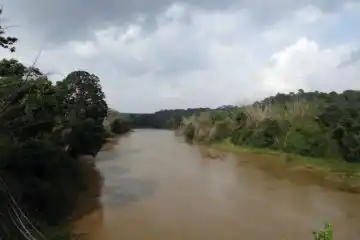
Kodagu is rich with sacred sites, each offering a blend of spiritual energy and natural grandeur. Talakaveri is the source of the holy Kaveri River. There, you can witness pilgrims performing rituals amid serene surroundings and panoramic hill views. A short climb to Brahmagiri Hill from Talakaveri leads to breathtaking vistas of the Western Ghats.
Bhagamandala, located nearby, is a revered triveni sangam (confluence) of the Kaveri, Kannike, and Sujyoti rivers. The Namdroling Monastery in Bylakuppe, is just a short drive from Kodagu. It offers a splash of Tibetan culture with its golden statues, prayer wheels, and disciplined monastic life.
Wildlife Wonders of Kodagu
When you think of Coorg's wilderness, think beyond lush greenery. Kodagu is home to some of India's richest wildlife reserves. Nagarhole National Park, a UNESCO-recognized biosphere reserve, is a must-visit for wildlife enthusiasts. A safari through this park could bring you face-to-face with elephants, leopards, tigers, wild dogs, and herds of deer.
Dubare Elephant Camp is another unique stop. There, visitors can observe, feed, and bathe elephants in a safe and ethical environment. Pushpagiri Wildlife Sanctuary is ideal for bird watchers and nature photographers. These reserves showcase the region's rich biodiversity while emphasizing the importance of conservation.
Kodava Cuisine: Earthy, Spiced, and Satisfying
No journey to Kodagu is complete without indulging in Kodava cuisine. The flavors here are bold, earthy, and seasonal. Locals rely on homegrown spices, wild greens, and forest produce to create memorable meals. Pandi Curry, made with a spiced vinegar called Kachampuli, is the star of the table.
Vegetarian options include Thambuli (yogurt-based herbal chutney), Koovale puttu (made from colocasia leaves), and bamboo shoot dishes. Many homestays offer cooking classes, letting guests participate in traditional food prep, spice roasting, and even open-fire cooking.
Living the Experience: Homestays and Plantation Stays
To truly experience the magic of Kodagu, stay not in hotels, but in homestays and plantation accommodations. That blend seamlessly into the environment. These family-run properties are warm, authentic, and deeply personal. Many are nestled within working coffee plantations, offering serene views, home-cooked food, and a chance to live the Coorgi way.
The sounds of chirping birds, rustling leaves, and distant streams replace digital noise, helping you truly disconnect and recharge.
Vibrant Markets and Local Crafts
A trip to Kodagu is incomplete without exploring its bustling markets and artisan shops. Visit the Friday market in Madikeri to shop for fresh produce, handmade soaps, cane baskets, and hand-woven textiles. Spices like black pepper, cardamom, and vanilla beans are sold fresh and make wonderful gifts.
Look out for Kodava-style jewelry, particularly the unique peechekathi and odi kathi (traditional dagger) pendants. Also look for the monogrammed fabrics featuring traditional motifs. Interacting with local artisans helps preserve these centuries-old crafts and offers meaningful souvenirs beyond the mass-produced kind.
Planning Your Trip: When and How
Kodagu's beauty shifts with the seasons, making it a year-round destination. October to March is ideal for sightseeing and outdoor activities. The weather remains cool, the skies clear, and the hills vibrant with greenery.
Monsoons (June-September) transform the landscape into a misty wonderland, perfect for romantic getaways and lush photography. However, heavy rains can disrupt travel plans, so be cautious with trek timings. The nearest railway station is at Mysore (117 km), and the closest airport is Kannur (90 km) or Mangalore (140 km).
Eco-conscious Travel in Kodagu
With increased tourism comes the responsibility to travel sustainably. Kodagu's ecosystem is delicate, and it is essential to minimize your footprint. Carry reusable water bottles, avoid plastic packaging, and opt for locally-sourced food and handmade products. Choose accommodations that follow sustainable practices such as rainwater harvesting, solar energy, and waste management.
Many travelers are now opting for voluntourism-participating in coffee harvesting, forest cleanups, or biodiversity documentation with local NGOs. These enriching experiences ensure you leave a positive impact while enjoying all Kodagu has to offer.
Final Thoughts
To truly experience the magic of Kodagu, you must let yourself slow down. Savor the coffee, listen to the forest, absorb the culture, and become part of the land's timeless rhythm. Explore all from its plantation-covered hills and warm-hearted people to the scent of roasted beans and sacred river sources. That shows Kodagu isn't just a destination-it's an emotion.
You can sip a fresh cup of estate-brewed coffee, hike misty trails, or share a meal in a Kodava home. Every moment spent to experience the magic of Kodagu tells a story. And once you've heard it, You will want to return-again and again.