Explore breathtaking landscapes and rich heritage of Zuluk
Tucked away in the remote folds of East Sikkim, Zuluk is a lesser-known gem that promises an unforgettable experience. Let's delve into the breathtaking beauty and the rich heritage of Zuluk that make it a must-visit destination. With its captivating landscapes, serpentine roads, and cultural depth, Zuluk offers a raw, untouched charm. That appeals to adventurers and history buffs alike. This high-altitude hamlet, is perched at around 10000 feet. It not only mesmerizes visitors with panoramic views of the Eastern Himalayas but also tells the tale of a bygone era.
1. Gateway to the Silk Route
Zuluk's historical importance is rooted in its role as part of the ancient Silk Route. Traders from Tibet and China would pass through this rugged path en route to India. The remnants of these trade networks still echo through the cobbled paths and ruined watchtowers. Walking along these trails, one can almost hear the whispers of merchants and mules. That once animated the route, offering a vivid window into the rich heritage of Zuluk.
The Silk Route was more than just a trade path; it was a cultural conduit connecting diverse civilizations. Stories from local elders about caravans and trade posts add an intangible depth to the location. Exploring rich heritage of Zuluk along this historical route allows travelers to step back in time. With that, you can imagine the vibrant interchanges that once took place here.
2. Jaw-Dropping Views of the Eastern Himalayas
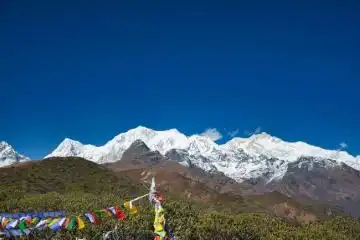
Zuluk is renowned for offering some of the best sunrise views over the Eastern Himalayas, particularly from Thambi View Point. The stunning landscapes of Ralang also attracts the visitors towards it. As the sun rises and lights up the snow-clad peaks, including the majestic Kanchenjunga, the visual treat leaves visitors spellbound. Photographers, nature lovers, and trekkers flock here to capture these surreal moments.
The crisp mountain air, silence is broken only by the calls of birds. Further, the gradual unveiling of Himalayan peaks create an atmosphere of meditative awe. Binoculars and telephoto lenses can reveal hidden glaciers and mountain streams that glisten in the morning light. They add layers of beauty to this majestic scene.
3. The Legendary Zig-Zag Road
The dramatic 32-hairpin bend road leading to Zuluk is an engineering marvel and a major attraction in itself. This winding stretch not only adds to the thrill of the journey. It also presents ever-changing perspectives of the valley below. Each bend unveils new vistas, making it one of the most scenic drives in the Himalayas.
Driving through these hairpin bends offers an adrenaline rush that few other roads can match. The curves are strategically constructed to assist with elevation gain and are often accompanied by viewing platforms. Stopping along the way offers chances to interact with locals selling tea, woolens, or handmade trinkets.
4. Thambi View Point: Sunrise Like Never Before
Just a few kilometers above Zuluk lies Thambi View Point. Named after a British engineer, this is a vantage spot. That offers a front-row seat to nature's finest spectacle-the golden rays of dawn caressing Kanchenjunga. The spot also provides a panoramic view of the snake-like roads curling through the mountains.
In winter, Thambi View Point is draped in snow, and visitors are treated to an entirely different experience. The biting cold, crisp visibility, and snow-laden trees add a magical ambiance. That enhances the allure of the sunrise even further.
5. Nag Temple: A Spiritual Pause
A unique temple dedicated to the Snake God, the Nag Temple in Zuluk is nestled within a cave. It is a place that shows the rich heritage of Zuluk and has spiritual significance for locals. The atmosphere inside the temple is serene and mystical. That offer visitors a chance to connect with the local belief systems. It allows you to delve into the spiritual layer of the region's cultural heritage.
Locals often stop by to offer prayers before long journeys. They believe that blessings from the Snake God ensure safety on the treacherous roads. Visiting during local festivals gives a deeper understanding of how nature worship and animistic traditions are woven into daily life.
6. Wildlife Encounters in Pangolakha Wildlife Sanctuary
Zuluk sits on the fringes of the Pangolakha Wildlife Sanctuary, a biodiversity hotspot teeming with Himalayan flora and fauna. Red pandas, Himalayan monals, and even elusive snow leopards have been spotted here. For nature enthusiasts and wildlife photographers, the sanctuary offers a chance to experience the Himalayan ecosystem up close.
Guided nature walks, bird-watching tours, and seasonal camping experiences within the sanctuary add extra dimensions to your visit. The high-altitude meadows burst into color during spring, while winter sightings of rare animals make each season distinct and rewarding.
7. Homestays and Local Hospitality
Experiencing Zuluk means staying with locals in cozy homestays that provide authentic Sikkimese hospitality. These humble accommodations offer more than just a place to sleep. They further offer insights into the traditional lifestyle, cuisine, and warm culture. That reflect the rich heritage of Zuluk.
Home-cooked meals feature local ingredients like churpi (hardened yak cheese), fermented bamboo shoots, and fresh mountain herbs. Hosts are often eager to share stories about village life, folklore, and local legends. That provide immersive cultural exchanges that larger hotels cannot replicate.
8. Best Time to Visit: Seasonal Charms
Each season in Zuluk brings a unique flavor. Summer and autumn are ideal for clear skies and scenic drives, while winter transforms the region into a snowy wonderland. Spring, however, is arguably the most magical, as rhododendrons bloom in a riot of colors along the hillsides.
Monsoon brings its own misty charm, though landslides can be a risk. It's also the best time for introspective retreats as the rain-draped landscape creates an ethereal environment. Planning your trip around seasonal events or bloom cycles can enhance your travel experience.
9. Offbeat Trekking Trails
For those seeking adventure while exploring rich heritage of Zuluk, there are several lesser-known trekking routes. Trails through Lungthung, Gnathang Valley, and Kupup provide not only physical challenges but also cultural encounters. That give trekkers a deeper appreciation of the region's landscapes and legacy.
Trekking also unveils ancient ruins, war memorials, and shepherd huts. That reflect the layers of human history embedded in the terrain. Whether you are a novice or an experienced hiker, Zuluk's trails cater to all levels. It also reward with unfiltered views and personal discoveries.
10. Cultural Festivals and Local Traditions
Festivals like Losoong and Pang Lhabsol are celebrated with much fervor in Zuluk. These vibrant celebrations are not only a feast for the eyes but also a deep dive into local traditions. Visitors can witness traditional dances, taste local delicacies, and feel the pulse of the community spirit. That defines the rich heritage of Zuluk.
During festivals, villagers dress in traditional attire, and monasteries come alive with music, prayers, and color. Participating respectfully in these festivities can offer a genuine understanding of Sikkimese beliefs and social harmony. That makes your trip to explore rich heritage of Zuluk deeply enriching.
11. Proximity to Other Hidden Gems
Zuluk is strategically located near several other attractions like Gnathang Valley, Tukla Valley, and Kupup Lake. These spots offer equally mesmerizing views and rich narratives of the region's historical significance. A trip to Zuluk often opens the door to exploring a larger tapestry of Eastern Himalayan culture and beauty.
Each of these nearby locations offers distinct ecological and cultural highlights. For instance, Kupup is home to the world's second-highest golf course, while Tukla houses poignant war memorials. Exploring beyond Zuluk enriches the overall journey and connects more dots in the historical landscape of the region.
12. Practical Tips for Travelers
Due to its high-altitude location, Zuluk requires a Protected Area Permit (PAP) for visitors, especially for non-Indian tourists. It's also advisable to acclimatize properly to avoid altitude sickness. Always carry warm clothing, even during summer, and ensure your vehicle is equipped for mountain travel.
Reliable guides, adequate cash (as ATMs are scarce), and eco-conscious travel habits are also essential for a smooth experience. Make sure to pack portable chargers, reusable water bottles, and biodegradable toiletries. That helps to minimize your environmental impact while exploring this pristine region.
Conclusion: A Journey Worth Every Turn
You may be drawn by its dramatic landscapes, intrigued by its past, or looking to connect with its vibrant culture. Zuluk offers an all-in-one Himalayan experience. The breathtaking surroundings combined with the rich heritage of Zuluk make it an ideal destination. That deserves a spot on every traveler's bucket list. Prepare to be enchanted by its quiet charm and welcomed by its people. Meanwhile, get awed by the stories etched into its winding roads.
Zuluk isn't just a place-it's an experience, a journey through time and terrain. The rich heritage of Zuluk leaves an indelible impression. From the snow-covered paths to untold stories around a hearth, Zuluk invites every traveler to explore, engage, and return transformed.