Eco tourism in Dang Explore the natural wonders of Dang
Tucked away in the lush forests of southern Gujarat, the Dang district is a hidden jewel. The natural wonders of Dang are waiting to be discovered by nature lovers and conscious travelers. Dang is known for its dense woodlands, tribal communities, majestic waterfalls, and tranquil hill stations. It firstly offers a perfect blend of untouched natural beauty and cultural richness. Now a days eco-tourism becomes more essential in preserving biodiversity and supporting indigenous communities. Therefore, Dang stands out as an ideal destination where responsible travel creates a meaningful impact. Exploring the natural beauty of Dang is not only about sightseeing-but it is also an immersive experience. That meanwhile awakens your senses and encourages a deeper connection with the environment.
Saputara Hill Station: Eco-Tourism Amid the Clouds
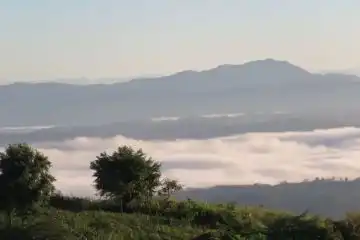
Saputara is the only hill station in Gujarat and serves as the eco-tourism gateway to Dang. Situated in the Sahyadri range, Saputara boasts lush greenery, clean mountain air, and serene lakes. That meanwhile attract travelers seeking calm and cooler temperatures. The town has adopted sustainable tourism practices. They goes from maintaining cleanliness and waste segregation to encouraging tourists to explore the region on foot or bicycle. The natural wonders of Taranga Hills also attracts the visitors towards them. Further, explore the Saputara Lake, Sunrise Point, and the Artist Village. They not only showcase its natural and artistic charm but also align with the eco-tourism ethos. Visitors are often encouraged to purchase tribal crafts and artwork, directly supporting local artisans.
Gira Waterfalls: A Breathtaking Display of Nature's Force
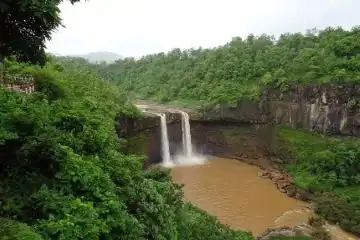
Just a short drive from Waghai, lies the Gira Waterfalls. They are among the most spectacular natural wonders of Dang to explore. Above all, it cascades from a height of over 75 feet. The waterfall meanwhile forms a dramatic sight especially during and after the monsoon season. Surrounded by lush teak forests, the area is a favorite among photographers, nature walkers, and those seeking serenity in the lap of nature. What further makes the experience even more special is the involvement of local tribal communities. They have set up stalls nearby, selling homemade snacks and eco-friendly products. A visit to Gira Waterfalls encapsulates the essence of eco-tourism-experiencing pristine nature while uplifting local livelihoods.
Waghai Botanical Garden: A Living Museum of Plant Diversity
The Waghai Botanical Garden is a vital part of Dang's eco-tourism trail. Spread over 24 hectares, this expansive green space is home to over 1400 species of indigenous and exotic plants. The garden is not only a place for leisure strolls. They further serves as an educational hub for environmental awareness and botanical studies. However, every path and trail is labeled with detailed information about the flora. Many of them are medicinal plants native to the Western Ghats. This further makes Waghai Botanical Garden a sanctuary for nature lovers, students, and conservationists alike. Its efforts in conservation and sustainability are key to understanding the ecological importance of the Dang region.
Purna Wildlife Sanctuary: Where Biodiversity Thrives
Covering over 160 square kilometers, the Purna Wildlife Sanctuary is a protected area. That represents the heart of eco-tourism in Dang. This densely forested sanctuary is home to a wide range of flora and fauna. It further include leopards, civets, sloth bears, and over 120 species of birds. The thick canopy and abundant rainfall meanwhile create an ideal habitat for wildlife. That further make it a paradise for eco-tourists and wildlife enthusiasts. The sanctuary plays a critical role in preserving the natural wonders of Dang while offering enriching educational experiences about biodiversity. Visitors can explore the sanctuary through regulated treks and guided tours that ensure minimal disturbance to the ecosystem.
Shabari Dham: Spiritual Retreat Surrounded by Forests
Located near Subir, Shabari Dham is not only a religious site but also a tranquil natural haven. The temple is believed to be the site where Shabari offered berries to Lord Rama. It's peaceful setting amidst dense forests firstly makes it a perfect spot for spiritual reflection and eco-friendly exploration. Unlike commercialized pilgrimage centers, Shabari Dham maintains a clean and environmentally responsible ambiance. The forest surrounding the temple is home to various bird species. That meanwhile make it ideal for birdwatching and meditation walks. The site is increasingly attracting eco-conscious travelers who seek quietude and sustainability alongside spirituality.
Don Hill: A Lesser-Known Highland Retreat
While Saputara receives most of the tourist attention, Don Hill remains one of Dang's best-kept secrets. This hill station is quieter and more remote. It is perfect for those looking to escape the crowds and immerse themselves in untouched nature. Covered with thick forests and mist-laden trails, Don Hill offers scenic trekking routes and picturesque viewpoints. That meanwhile reward hikers with breathtaking panoramas. The area is dotted with tribal villages where eco-tourism is slowly taking root. That further offer homestays and nature-based cultural experiences. Don Hill stands as a reminder of how lesser-known destinations can hold some of the most captivating natural wonders of Dang.
Tribal Villages: Authentic Encounters with Indigenous Culture
Dang is predominantly inhabited by indigenous tribes such as the Bhils, Warlis, and Konkanis. Visiting their villages offers an authentic glimpse into a unique way of life. That has remained in harmony with nature for generations. However, these communities practice sustainable agriculture. They create eco-friendly handicrafts, and celebrate festivals that reflect their deep connection with the earth. Responsible tribal tourism allows visitors to engage in various activities. Few are for example Warli painting workshops, traditional dance performances, and cooking classes using local produce. These experiences not only enrich the traveler but also support community-based tourism. That helps to preserve indigenous knowledge systems and promote sustainable living.
Vansda National Park: Forest Trails and Wildlife Watching
Vansda National Park, once a royal hunting ground, is now a protected sanctuary that emphasizes low-impact tourism. Unlike conventional safaris, Vansda offers walking trails and forest interpretation programs led by trained guides. They firstly allow visitors to experience the forest's biodiversity up close without the noise and pollution of vehicles. The park is home to the four-horned antelope, jungle cat, pangolin, and over 150 species of birds. It further serves as an important migratory corridor for several animals. Eco-tourism initiatives here focus on educating visitors about forest conservation. Meanwhile, they offer them a memorable, immersive experience in the wild.
Eco-Stays and Tribal Homestays: Sleeping Sustainably
One of the best ways to experience the natural wonders of Dang is by staying in eco-friendly accommodations. The region offers several options, including bamboo cottages, forest lodges, and tribal homestays that prioritize sustainability. These stays often use solar power, rainwater harvesting, composting toilets, and locally sourced materials. More importantly, they offer a deeper connection to the community. They further hosts sharing traditional meals and stories around the fire. These accommodations are not only about comfort-but they're also about conscious travel. That meanwhile supports the local economy and minimizes your environmental footprint.
Culinary Trails: Savoring Dang's Tribal Flavors
The cuisine of Dang is rooted in the forest. It features ingredients for example wild mushrooms, bamboo shoots, mahua seeds, and millets playing a central role. Eco-tourists can indulge in farm-to-table meals prepared by tribal families using age-old recipes and traditional cooking methods. This gastronomic journey meanwhile reveals the biodiversity of the region in the most delicious way possible. Many eco-stays offer food tours where guests can forage ingredients and learn how to cook traditional tribal dishes. Tasting the land's flavors is another enriching way to understand and appreciate the interconnectedness of nature, culture, and community in Dang.
Best Seasons to Visit Dang's Natural Treasures
The best time to explore the natural wonders of Dang is from September to March. During this period, the weather is pleasant, the waterfalls are in full flow post-monsoon, and the forests are alive with birds and blooming flora. Winter months also bring tribal festivals, offering cultural immersion in addition to eco-adventures. Summer months tend to be hot and humid, making them less ideal for exploration. Although the region's thick canopy can still provide cooler microclimates in the hills. Planning your trip during the ideal seasons ensures you experience Dang's eco-tourism offerings at their vibrant best.
Conclusion: Leave Only Footprints, Take Back Memories
Exploring the natural wonders of Dang is a journey that leaves a lasting impression. That is not only through its landscapes, but also through the people and principles that guide it. Eco-tourism in Dang is not about ticking off destinations on a map. It is about slowing down, learning from nature, and contributing positively to the communities you visit. Now a days, awareness grows about responsible travel. So, Dang stands as a glowing example of how tourism and conservation can go hand in hand. It may be a walk through a dense forest, a conversation with a tribal elder, or a quiet moment by a waterfall. The memories you make here are bound to be as meaningful as they are beautiful.