Discover the top attractions and historic charms of Panhala
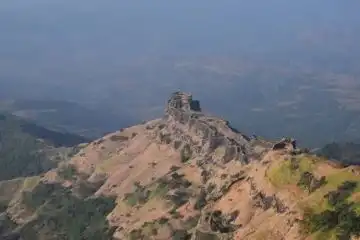
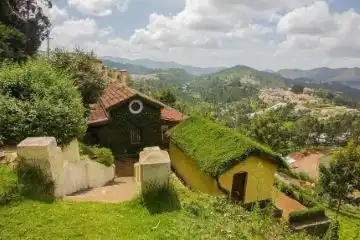
Tucked away in the scenic Sahyadri mountain ranges of Maharashtra, Panhala is a destination steeped in history, legend, and natural beauty. Explore the the top attractions and historic charms of Panhala with this guide. Located just 20 kilometers from Kolhapur, this is a hill station and fort town. That is firstly a favorite for history buffs, nature lovers, and spiritual seekers. Walk through its ancient gates and stand on its lofty bastions. Meanwhile, you can almost hear the echoes of the past. It's roots trace back to the Shilahara dynasty. After that, they had served as a significant stronghold for the Maratha Empire. In other words, Panhala has played a vital role in shaping regional history. This travel guide helps you to experience its rich legacy and timeless appeal.
Explore the Mighty Panhala Fort
The centerpiece of Panhala is firstly its iconic Panhala Fort. It is one of the largest and most historically significant forts in Maharashtra. This one of the main historic charms of Panhala was built over several centuries. It was ruled by different dynasties including the Shilaharas, Yadavas, Bahamanis, and Marathas. Above all, the fort offers an in-depth look into the architectural and strategic brilliance of Indian warfare. Its vast walls stretch across 15 kilometers, enclosing multiple gates, watchtowers, granaries, and temples. Explore the natural charms of Malshej Ghat for additional charm. The fort's layout was designed with precision to withstand long sieges and provide escape routes when needed. A walk through its paths introduces visitors to architectural elements for example the Teen Darwaza, Sajja Kothi, and Andhar Bavadi. However, each one carries stories of battles, diplomacy, and survival.
Sajja Kothi: The Prison of a Prince
Within the fort lies the Sajja Kothi, a two-story structure that holds a poignant tale. This was the place where Chhatrapati Shivaji's son, Sambhaji Maharaj, was held prisoner. That firstly makes it one of the historic charms of Panhala that is a must visit. Originally built in the 13th century as a lookout and residential chamber, its stunning location overlooking the valley made it a strategic and symbolic site. The Indo-Islamic architectural style, with arched corridors and stone latticework, gives it a regal yet austere feel. Today, Sajja Kothi offers a panoramic view of the landscape, a spot where history and tranquility meet. Visitors can meanwhile sit quietly and imagine the events that unfolded within its walls centuries ago.
Andhar Bavadi: The Secret Water Source
Another fascinating part of Panhala Fort is the Andhar Bavadi, meaning "hidden well". Built to provide water during long sieges, this is a three-story structure. It was designed not only for storage but also as a cleverly disguised escape route. Hidden entrances and narrow staircases snake through the fort, leading to this vital survival asset. During battles, this was well ensured that the fort's residents had a secure and sustainable water supply, even when cut off from outside help. Today, exploring Andhar Bavadi is like stepping into a secret passage from the past. Its dimly lit chambers and mysterious silence continue to stir curiosity in every traveler.
Ambarkhana: The Fort's Granary Complex
The Ambarkhana granaries are a powerful reminder of the foresight and preparedness of the Maratha administration. They were built under the direction of Shivaji Maharaj. These granaries were named as named Ganga, Yamuna, and Saraswati. They were constructed to store large quantities of grain to feed soldiers and residents during prolonged conflicts. Above all, each granary is massive in scale and features a vaulted roof. That makes them one of the great historic charms of Panhala to explore. They were designed to keep the stored grain fresh and dry. The Ambarkhana complex meanwhile showcases the logistical brilliance of historical military planning. As you walk through the cool interiors of these structures, the fort's self-sufficient design becomes even more impressive.
Teen Darwaza: The Grand Gateway
The Teen Darwaza, or “Triple Gate”, is a striking entrance into the fort. That was designed not only for entry, but also for protection. It has a series of angled gateways that made it difficult for invaders to rush through. The heavy wooden doors, iron spikes, and flanking bastions were built to withstand both cavalry charges and cannon fire. Teen Darwaza also served ceremonial purposes, receiving royal processions and dignitaries. Today, its grand scale and architectural ingenuity meanwhile attract photographers, historians, and curious tourists alike. Standing beneath the towering archway is a powerful reminder of the fort's formidable presence.
Parashar Caves: A Quiet Escape into Nature
Located slightly away from the main fort area, the Parashar Caves. They are believed to have been used by Sage Parashar for meditation. These small but significant rock-cut caves are surrounded by lush greenery. They firstly offer a peaceful escape from the more frequented parts of Panhala. The caves are especially popular among trekkers and spiritual travelers seeking solitude. Early mornings bring chirping birds and a cool breeze, creating a perfect atmosphere for reflection. Though not elaborate in design, the caves hold cultural significance. They further contribute to the broader spiritual and historic charms of Panhala.
Rajdindi Bastion: A Watchtower of the Past
Among the most strategically important points in the fort is the Rajdindi Bastion. Located on the southern end of Panhala, it served as both a watchtower and an emergency escape route. From this vantage point, sentinels had an unobstructed view of the surrounding valleys and roads leading to Kolhapur and other key areas. The bastion's design made it easy to defend while also allowing for surveillance of enemy movement. Today, the view from Rajdindi is spectacular, especially at sunrise or sunset. The sense of elevation and control that it offered in the past still lingers in the present moment.
Sunset Point: Natural Beauty Meets History
Panhala is not only about fort walls and war tales-but it also offers stunning natural views. That further seems more stunning, especially from Sunset Point. Located near the Rajdindi Bastion, this spot provides breathtaking panoramas of the Sahyadri ranges. As the sun sets, the sky comes alive with shades of gold, pink, and lavender, casting a magical glow over the historic fortifications. Above all, it's a favorite spot for both tourists and locals to unwind and reflect. Watching the sunset here is more than just a visual treat. It's a moment of connection between nature and centuries of human resilience.
Tabak Udyan: Gardens Amidst Stone
To add a touch of green to the historic surroundings, the Panhala fort complex further includes Tabak Udyan. However, it is a beautifully landscaped garden perfect for relaxation and picnics. This well-maintained space offers flowering plants, shaded benches, and open areas for families and children. Tabak Udyan serves as a refreshing contrast to the otherwise rugged stone structures around it. While it may not be as ancient as the fort itself, it's become a part of the local cultural fabric. That becomes more vibrant, especially during festivals and local gatherings. Spending time here gives visitors a chance to take a break while exploring the historic charms of Panhala. It allows them to breathe in fresh air, and enjoy a slower pace.
Jyotiba Temple: A Blend of Faith and Elevation
A short drive from Panhala leads to the Jyotiba Temple, perched on a hilltop at 3145 feet above sea level. Dedicated to Lord Jyotiba, a form of Lord Shiva, the temple is a significant pilgrimage site. That is visited especially during the annual fair in Chaitra (April). The celebration is marked by clouds of pink gulal and devotional music. That meanwhile transforms the area into a vibrant and spiritual landscape. The temple's elevated location offers wide views of the surrounding mountains. However, the drive up is a scenic experience in itself. Combining history, spirituality, and scenic beauty, Jyotiba Temple is a must-visit.
Local Markets and Culinary Delights
Exploring the markets of Panhala adds a flavorful layer to the trip of historic charms of Panhala. Local vendors offer handcrafted Kolhapuri chappals, brass artifacts, and traditional sweets like gur (jaggery). For food lovers, the real treat lies in the Maharashtrian cuisine available in small eateries around the fort. From spicy Misal Pav and Kanda Bhaji to Puran Poli and Solkadhi, the local fare reflects the rich culinary heritage of the region. A simple thali meal in a family-run restaurant can be as satisfying as the grand views around you. Don't forget to try locally grown fruits and fresh buttermilk, perfect for a hot afternoon.
Nature Trails and Birdwatching Opportunities
Beyond historical monuments, Panhala offers nature trails and eco-treks that appeal to outdoor enthusiasts. The region is home to a variety of flora and fauna. That further makes it an excellent destination for birdwatching. Peacocks, parakeets, drongos, and bulbuls are commonly sighted in the early morning hours. Walking trails around the fort or towards the Jyotiba Temple provide a peaceful environment for photography, meditation, or simple exploration. The post-monsoon season is particularly beautiful, with verdant hills and mist-covered paths adding to the allure.
Ideal Time to Visit and Travel Tips
The best time to visit historic charms of Panhala is between October and March. At that time, the climate is cool and pleasant. The monsoon season from June to September transforms the area into a green paradise. But, it's important to meanwhile carry rain gear as the trails can get slippery. Panhala is easily accessible from Kolhapur by road. However, buses, private taxis, and even shared autos ply regularly. The nearest airport and major railway station are located in Kolhapur. That is well-connected to Pune, Mumbai, and other major cities. Accommodations range from budget hotels to heritage stays, making it suitable for all types of travelers.
Summary: A Journey into Living History
From towering gateways and secret wells to sacred caves and panoramic viewpoints, Panhala offers a compelling blend of the natural and the historic. Its stories are not locked in books or museums. They live on in its landscapes and in the echoes of footsteps through ancient halls. Above all, you can hear them in the warmth of its local people. You can trace the footsteps of Maratha warriors or simply soak in the calm of a Sahyadri sunset. In short, the historic charms of Panhala will stay with you long after you've left. It's not only a place to visit, but also one to remember.