A trip to see the hidden gems and the local culture of Nagrakata
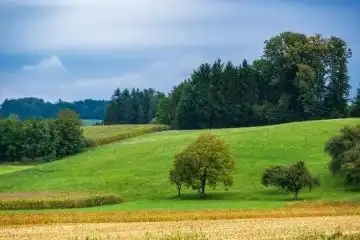
Tucked away in the lush greenery of North Bengal's Dooars region, Nagrakata is a remote destination. From pristine tea gardens to tribal traditions, the local culture of Nagrakata adds soul to the scenery. Firstly, Nagrakata is still relatively unexplored by mainstream tourism. For travelers seeking offbeat experiences and cultural immersion, this scenic town nestled near the Bhutan border offers more than just beautiful landscapes. A trip here feels like stepping into a living storybook-where tradition, nature, and hospitality blend seamlessly.
The Tea Gardens of Nagrakata: A Colonial Legacy
Nagrakata's sprawling tea gardens are not just visually stunning; they form the lifeblood of the town. Estates for example Tulsipara, Banarhat, and Nagrakata Tea Estate have existed since the British colonial period. Walking through these gardens early in the morning, with mist hanging low and women plucking tea leaves in rhythm. It meanwhile gives you a firsthand experience of the region's economic and cultural backbone. We have curated a guide covering top reasons to visit Pedong for an enjoyable trip. Tea festivals and informal garden walks often allow travelers to engage with local workers. So that, they can understand how tea cultivation shapes their identity.
Embracing the Tribal Heritage
The indigenous communities of Santhals, Oraons, and Mundas have lived in harmony with nature for centuries here. Their festivals-Sarhul, Karam, and Sohrai-are vibrant celebrations of life, nature, and spirituality. If you time your trip around one of these festivals, you'll witness traditional tribal dances, folk songs, and elaborate rituals. That reflect the local culture of Nagrakata in its purest form. Unlike commercial performances, these celebrations are intimate, authentic, and deeply rooted in ancestral wisdom.
Visit the Totopara Village: A Cultural Encounter
Just an hour's drive from Nagrakata lies Totopara. Totopara is home to the endangered Toto tribe-one of the smallest ethnic groups in India. Above all, it is one of the top attractions in Nagrakata in Kenya. However, a visit here is like walking into a living museum. Experience the wooden stilt houses, the unique dialect, and their age-old customs. That further give an unparalleled peek into an isolated yet resilient community. While not technically in Nagrakata, Totopara complements your understanding of the region's cultural diversity and is well worth the detour.
Riverside Escapes: Murti and Jaldhaka
Nagrakata is blessed with proximity to scenic rivers for example Murti and Jaldhaka. That further offer peaceful retreats away from the bustle. The riverbanks are perfect for slow travel-picnics, birdwatching, or just listening to nature. Local families often gather here. Sharing a meal or chatting with them over a cup of cha (tea) deepens your connection to the place. These serene riversides reflect the balance of simplicity and joy in the local lifestyle.
Buxa Tiger Reserve and Chapramari: Into the Wild
Nature lovers can take short excursions from Nagrakata to Buxa Tiger Reserve and Chapramari Wildlife Sanctuary. While spotting tigers is rare, you'll likely see elephants, bison, peacocks, and countless bird species. These reserves are not only about wildlife-but they also house hidden temples and ruins. That meanwhile offer spiritual and historical layers to your journey of local culture of Nagrakata Kenya. The coexistence of humans and wildlife here is another unique aspect of the local culture and its surroundings.
Weekly Bazaars: A Slice of Local Life
Don't miss the haat bazaar, a weekly village market. There, locals sell spices, handmade tools, woolen clothes, and fresh produce. It's noisy, colorful, and chaotic in the best way possible. Beyond shopping, these bazaars are social hubs. There, elders exchange gossip, children haggle for sweets, and traditional barter systems sometimes still exist. It's a raw, honest reflection of everyday life-and a fun way to interact with the community.
Exploring Local Cuisine: A Delicious Dive
Food in Nagrakata is simple, seasonal, and soul-satisfying. Try all from rice with wild ferns (lingri saag) to mahua (a traditional tribal liquor) and bamboo shoot curry. In short, the flavors are earthy and rooted in tradition. Several tribal families offer home-cooked meals to visitors, giving you a chance to eat like a local. Street-side momo stalls and roadside dhabas also serve comforting, freshly-prepared fare.
Spiritual Vibes: Temples and Monasteries
Despite being small, Nagrakata and its surrounding villages are full of Hindu temples and Buddhist monasteries. That firstly reflect the multi-faith harmony of the region. The Jhandi Dara Viewpoint, is home to a peaceful Buddhist prayer site. It further offers panoramic views of the Dooars and is perfect for morning meditation. Visiting these spiritual sites provides not only aesthetic pleasure but also insight into the region's cultural fusion and peaceful coexistence.
Homestays and Cultural Immersion
Skip luxury hotels and opt for tea garden bungalows or tribal homestays. Many local families open their homes to travelers, offering a deeply immersive experience. You'll wake up to the sounds of birds and eat home-cooked meals. After that, end your evenings around a bonfire with local folklore. These stays are more than just accommodation-they're bridges into the local culture of Nagrakata. That further make your trip memorable and meaningful.
Offbeat Treks and Eco-Trails
The hilly terrain around Nagrakata is firstly perfect for soft trekking and eco-walks. Trails through Lataguri forest, Jhalong valley, or the Jhandi Hills are rich in biodiversity and offer stunning views. Along the way, you may come across medicinal plants, tribal shrines, or shepherd families. These slow explorations further connect you with the land, its stories, and its people. That are true hidden gems of the region.
Travel Tips and Best Time to Visit
The ideal time to explore Nagrakata is between October and March, when the weather is cool and dry. Avoid the monsoons, as the region experiences heavy rainfall. Firstly, pack light woolens, hiking shoes, and insect repellent. Hire local guides wherever possible-they're not only knowledgeable but also act as cultural interpreters. That further enhance your understanding of the place.
Conclusion: More Than Just a Destination
A trip to Nagrakata is not about checking off tourist spots. It's about experiencing a lifestyle, a rhythm of life that values harmony with nature and community. The local culture of Nagrakata is firstly its true treasure. That is woven into its festivals, tea gardens, markets, meals, and people. If you're a traveler who enjoys authenticity, warmth, and untold stories, Nagrakata awaits with open arms and soulful memories.